Imperial eagle rescued in heatwave released in Málaga province
The Junta de Andalucía has released a juvenile Iberian imperial eagle in the Sierra de La Camorra, Mollina. Málaga is the only Andalusian province the species has not yet colonised.
By Costa del Sol Journal Newsroom · · AI-assisted
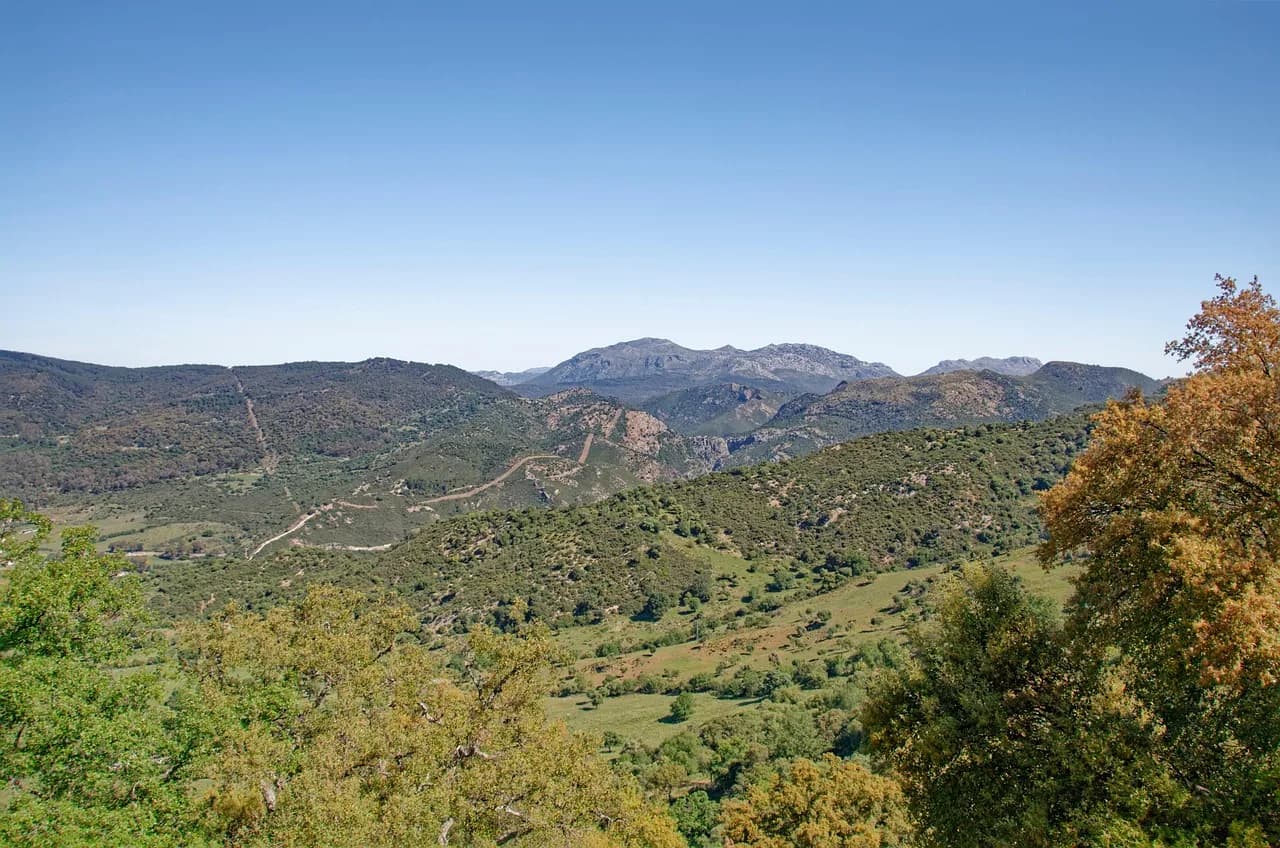
A young imperial eagle that was rescued from its nest during a heatwave has been released in the Sierra de La Camorra, in Mollina, in northern Málaga province. The Junta de Andalucía's environment department announced the release, which it presents as part of efforts to bring the species to the only Andalusian province it has yet to colonise. Málaga Hoy also reported the release.
Key facts
- Where: Sierra de La Camorra, Mollina, Málaga province.
- The bird: a juvenile Iberian imperial eagle (Aquila adalberti), rescued as a chick from a nest in Sevilla after it fell during a heatwave.
- Population: Andalucía had fewer than 30 breeding pairs in the early 2000s and now has 191, according to the Junta.
- Status: the species is listed as "En peligro de extinción" (endangered).
From nest to release
According to the Consejería de Sostenibilidad y Medio Ambiente (regional environment department), the eagle was cared for in facilities of the CREA network, the Centros de Recuperación de Especies Amenazadas (threatened species recovery centres). It was also trained to fly and hunt, and the Junta says it is now in optimal condition to return to the wild.
The territorial delegate for sustainability and environment, Gemma del Corral, and the head of the natural environment management service took part in the release.
Why Málaga
The Junta describes Málaga as the only province in Andalucía not yet colonised by the species. Breeding pairs have recently been found in areas close to the province, mainly in southern Sevilla but also in Granada and Córdoba.
Young dispersing eagles are also being seen more often around Fuente de Piedra, Campillos and Mollina, areas with a high density of wild rabbit, the eagle's main prey. Rabbit can make up 70% of the diet where it is abundant, according to the Junta.
The Recovery Plan for the Iberian Imperial Eagle in Andalucía aims to establish breeding pairs in Málaga. Its measures include:
- surveying and correcting power lines, the main cause of death for the species;
- releasing more juveniles fitted with GPS transmitters, to learn about dispersal and temporary settlement areas and to detect possible mortality black spots.
The Junta says electrocution on power poles accounts for around 50% of recorded deaths, and that thousands of pylons have been corrected in Andalucía in recent decades. It also notes that direct persecution by shooting has reappeared as a significant problem in recent years.
A wider recovery
The Junta says the species once ranked among the world's most threatened raptors, with fewer than 50 breeding pairs at the end of the 1970s. It now cites more than 1,000 nesting pairs. The Junta says the species has doubled its numbers in Andalucía in under a decade.
In eastern Andalucía, where the eagle had vanished as a nesting species early in the last century, the first successful nesting was recorded in Granada in 2017. In 2026 the first territory was detected in Almería. The Junta also points to a reintroduction programme in Cádiz, which it says has recolonised that province.
Why it matters
For people on the Costa del Sol and in inland Málaga, the release marks an effort to bring a once-critically endangered bird to the province. Málaga Hoy's headline notes that the species has not yet managed to settle here.
Sources
- Liberan un águila imperial en Málaga tras ser rescatada en una ola de calor · Málaga Hoy: Málaga
- Liberado un ejemplar de águila imperial en Málaga, única provincia no colonizada aún por la especie · Junta de Andalucía: últimas noticias
- Liberan en Málaga un águila imperial ibérica, una especie que aún no ha logrado asentarse · Málaga Hoy: Málaga