Málaga port's Muelle 8 dredging to have archaeologists on board 24 hours a day
Málaga's €48.4m Muelle 8 expansion will include round-the-clock archaeological monitoring of dredging in an area of known Roman finds, according to Diario Sur and SUR in English.
By Costa del Sol Journal Newsroom · · AI-assisted
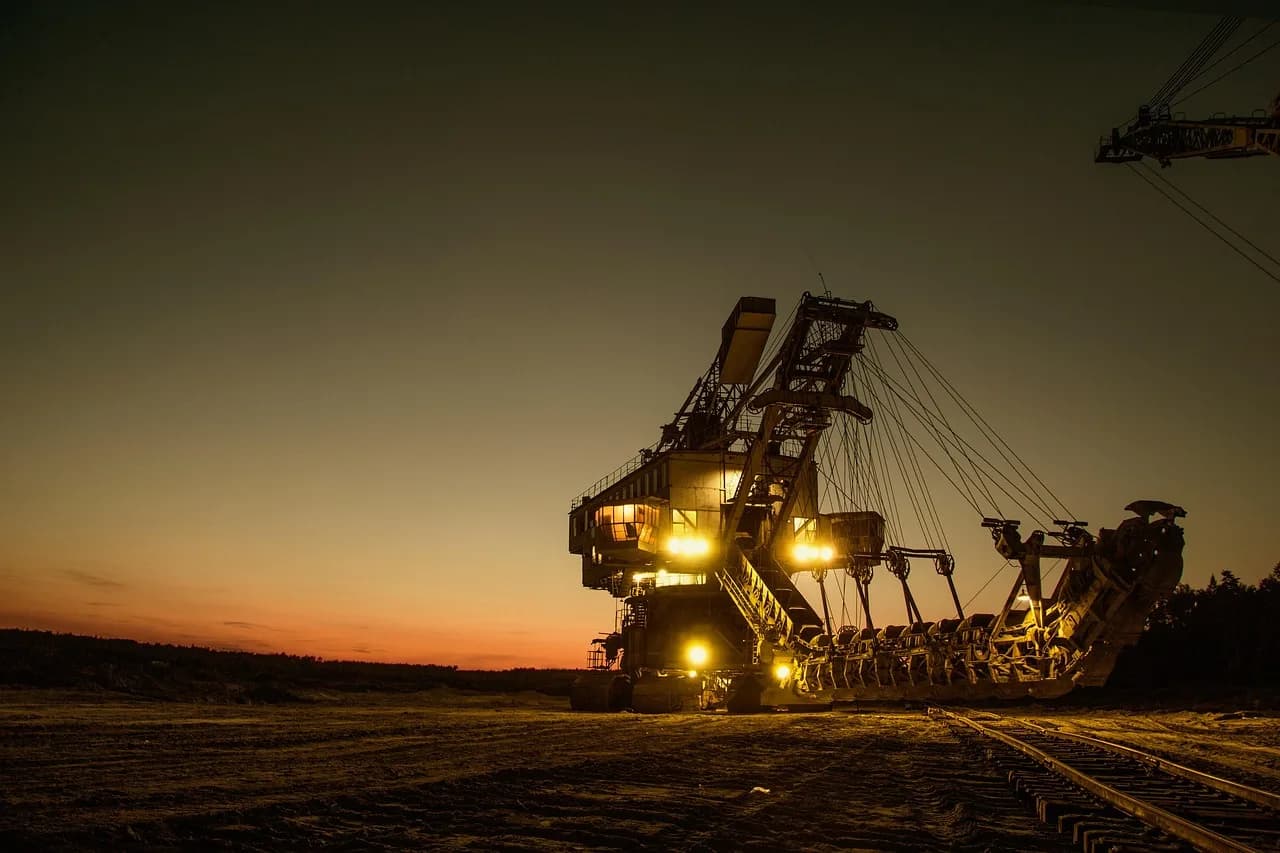
Dredging for the new Muelle 8 at the Port of Málaga will be watched around the clock by archaeologists, because the seabed is considered likely to hold shipwrecks and Roman remains. Diario Sur reported that the port authority has put the monitoring contract out to tender, a step that matters to anyone following the port's expansion and the future use of the San Andrés dock.
Key facts
- Investment: €48.4 million, with a 27-month execution period; the main works contract is at tender stage, according to Diario Sur and SUR in English.
- Layout: a new Muelle 8 of 263 metres and a 87-metre extension of Muelle 9.
- Archaeology contract: put out to tender by the Autoridad Portuaria (port authority) for €116,559, covering dredging of more than 580,000 cubic metres.
- Monitoring team: at least five archaeologists in shifts, 24 hours a day, for roughly 60 days of dredging.
- Area monitored: an estimated 18 hectares.
What the project involves
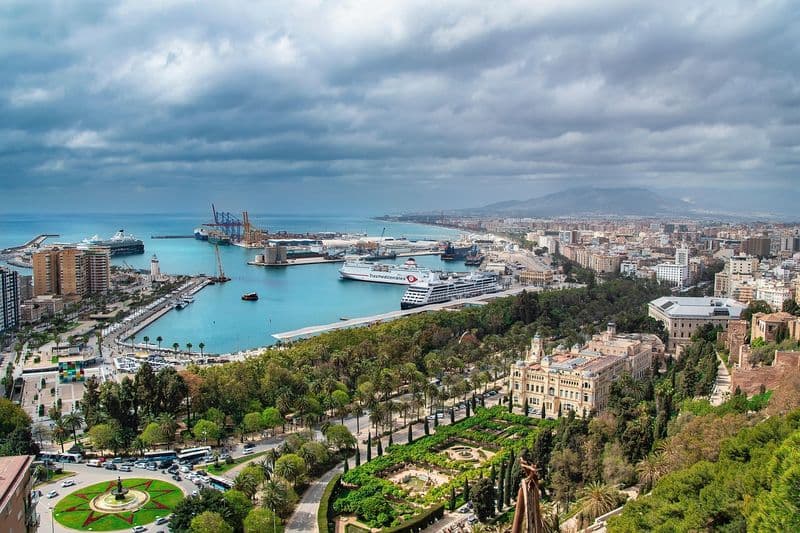
The works include filling in the former fishing harbour and dredging to a depth of 15.60 metres. According to Diario Sur and SUR in English, this will create a new logistics area of more than 70,000 square metres.
The expansion would let the port handle two large container ships, or Panamax vessels, at the same time on intercontinental routes. It is also meant to boost agri-food bulk traffic.
Moving warehouses to modern silos on Muelle 8 would free the San Andrés dock. Diario Sur said that space is earmarked for the future auditorium and the Huelin marina.
Why archaeologists are needed
The area falls within the "Ensenada de Málaga", which the Junta de Andalucía has catalogued as a zone of archaeological interest. Diario Sur described it as a historic bay and outer harbour with many documented anchorages, navigation accidents and shipwrecks from antiquity to the 20th century.
The technical specification, based on earlier reports by the firm Nerea Arqueología and the Centro de Arqueología Subacuática, rates the chance of finds as high. Diario Sur reported that earlier work in the area turned up a Roman anchor stock during dredging in 1874 and about 50 Roman amphorae during the extension of the Levante breakwater in 1997-1998.
In total, 580,100.25 cubic metres of sediment will be dredged. Of that, 391,092.25 cubic metres lie beneath the new docks and 189,008 cubic metres will deepen the dock basin. Foundation trenches will reach depths of up to 21 and 24 metres.
The teams will look for timbers, structural ship elements and unusual concentrations of material. Diario Sur said they will also use high-sensitivity magnetometers to trace anomalies that could be historic anchors, artillery pieces or ship fittings.
Demolition and trench dredging are also expected to uncover remains of the old Poniente breakwater, the north and south jetties of the fishing harbour and the piles of the former oil-tanker berth.
The protocol
Before dredging starts, the winning contractor must carry out a full geophysical survey using side-scan sonar, a sediment profiler, a magnetometer and a multibeam echo sounder. Anomalies must then be checked by archaeologist-divers or remotely operated vehicles (ROVs).
During dredging, archaeologists will work in shifts aboard the dredgers. If they spot signs of a wreck or historic structure, the protocol requires work to stop immediately within a 50-metre protection radius. The find must be reported to the cultural authorities within 24 hours at most.
Diario Sur said the port is acting on environmental requirements set by the Ministry for Ecological Transition and the Junta de Andalucía. The work calendar must also respect biological breaks to protect seabirds such as the Balearic shearwater, and the breeding periods of species including the thin-shelled clam (concha fina), chirla and coquina.
What it means
The project is still at tender stage, so the sources do not yet show who will carry out either the main works or the monitoring. For residents and visitors, it signals a large change to the port's layout and to the future of the San Andrés dock. Both outlets say that dock is set to host the future auditorium and marina.