PP pledges Cercanías upgrade. Málaga-Fuengirola line in election spotlight
The PP of Málaga used Málaga's María Zambrano station to promise better Cercanías services ahead of the 29 November general election, with four mayors present, Diario Sur reported.
By Costa del Sol Journal Newsroom · · AI-assisted
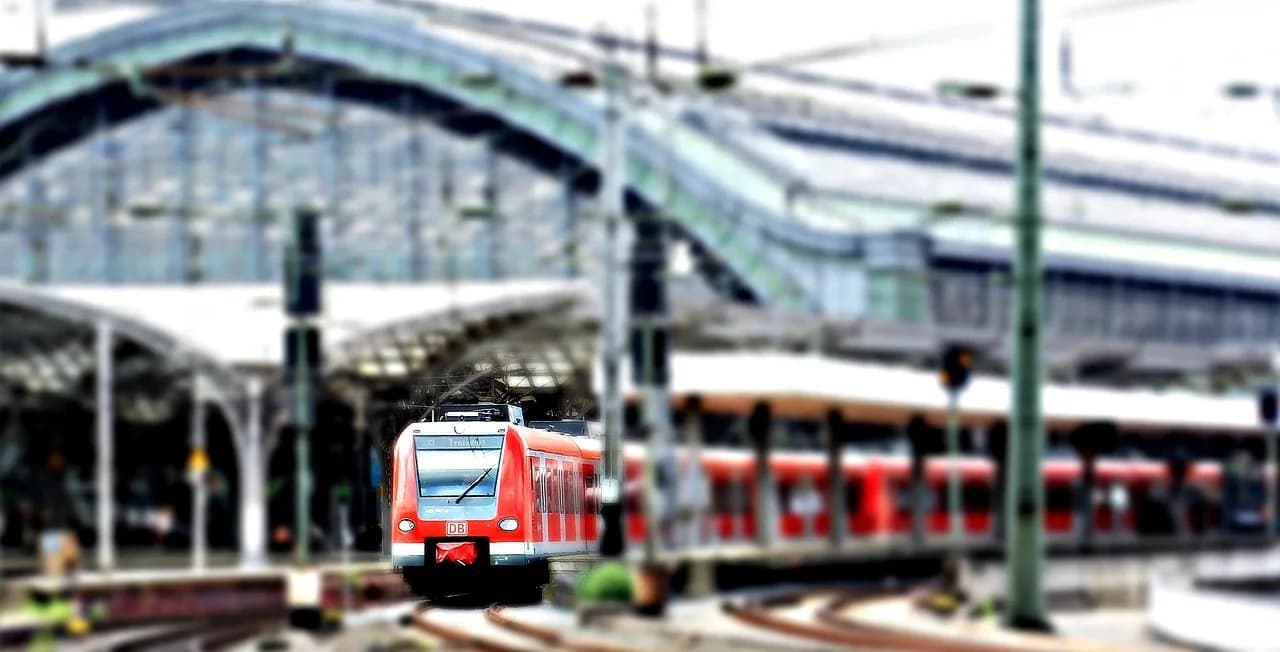
The Partido Popular (PP) in Málaga has promised to improve the Cercanías commuter rail network, making the pledge outside Málaga's María Zambrano station. According to Diario Sur, the event came ahead of the general election on 29 November and was attended by the mayors of the four cities on the C-1 line. It matters to commuters and visitors who rely on the Málaga-Fuengirola route.
Key facts
- Who: The mayors of Málaga (Francisco de la Torre), Torremolinos (Margarita del Cid), Benalmádena (Juan Antonio Lara) and Fuengirola (Ana Mula), plus Mario Muñoz-Atanet, the PP-A's coordinator for public works (Fomento) and the Andalusian regional minister for the area, according to Diario Sur.
- Election: General elections are on 29 November; Del Cid is number two on the PP's Senate list.
- Pledge: Planning, budget funding, maintenance and investment, in line with a commitment attributed to party leader Alberto Núñez Feijóo.
- Claim: Muñoz-Atanet said 150 incidents hit the C-1 last week.
What the PP promised
Diario Sur reported that Del Cid presented the plan as covering planning, budget allocation and the execution of maintenance work and investment, so that people in Málaga "puedan volver a confiar en el tren" (can trust the train again).
She argued that a province leading Spain in growth has a rail line planned half a century ago that "no se ha mejorado" (has not been improved) despite population growth and the country's third-busiest airport. She also criticised that night-shift workers cannot use Cercanías to get to work.
Del Cid said: "Necesitamos un compromiso con Málaga, con la Costa del Sol; necesitamos que se invierta y mejores trenes, con más capacidad y más frecuencias, así como mejores apeaderos y, en general, mejores servicios públicos."
Claims about the C-1 line
Muñoz-Atanet said the Málaga-Fuengirola line has the best profitability in Spain and one of the country's highest ratios of passengers per kilometre, comparable to Catalonia. He said 75% of the line's costs are covered by passenger revenue, which he took as further evidence of what he called "abandono" (neglect) by the central government. These figures are his statements as reported by Diario Sur; the report does not give a source for them.
He also said the lack of trains to Marbella, Estepona and Algeciras leaves visitors dependent on road transport. He described the service as "deficiente" (deficient) and cited the 150 incidents recorded on the C-1 last week.
Linking the vote to rail performance, he said the election was a choice between continuing a trend of decline or moving to a government focused on management that avoids incidents. He cited the blackout, Ceuta and the Adamuz and Urda accidents.
Mayors' demands
De la Torre called Cercanías "vital" for mobility in the province. He stressed the need for a coastal train (tren litoral), regretting that there is no news of studies begun by the central government, and called for the C-2 line towards the Guadalhorce valley to be given greater value.
Mula criticised what she called "el silencio" (the silence) of the central government on calls to improve service and frequency. Lara denounced the government's investment "abandono" in the province in general and in rail in particular.
What it means for commuters
The statements are campaign pledges from a party seeking votes, and Diario Sur's report does not detail costs, timetables or specific projects. Readers who want to check service performance can consult Renfe and Adif, the operator and infrastructure manager.