Roman coins from Egypt and France found in Málaga metro necropolis
Archaeologists digging beneath Calle Hilera have found small bronze coins minted in Rome, Alexandria and Lyon, pointing to Roman Málaga's wide trade links.
By Costa del Sol Journal Newsroom · · AI-assisted
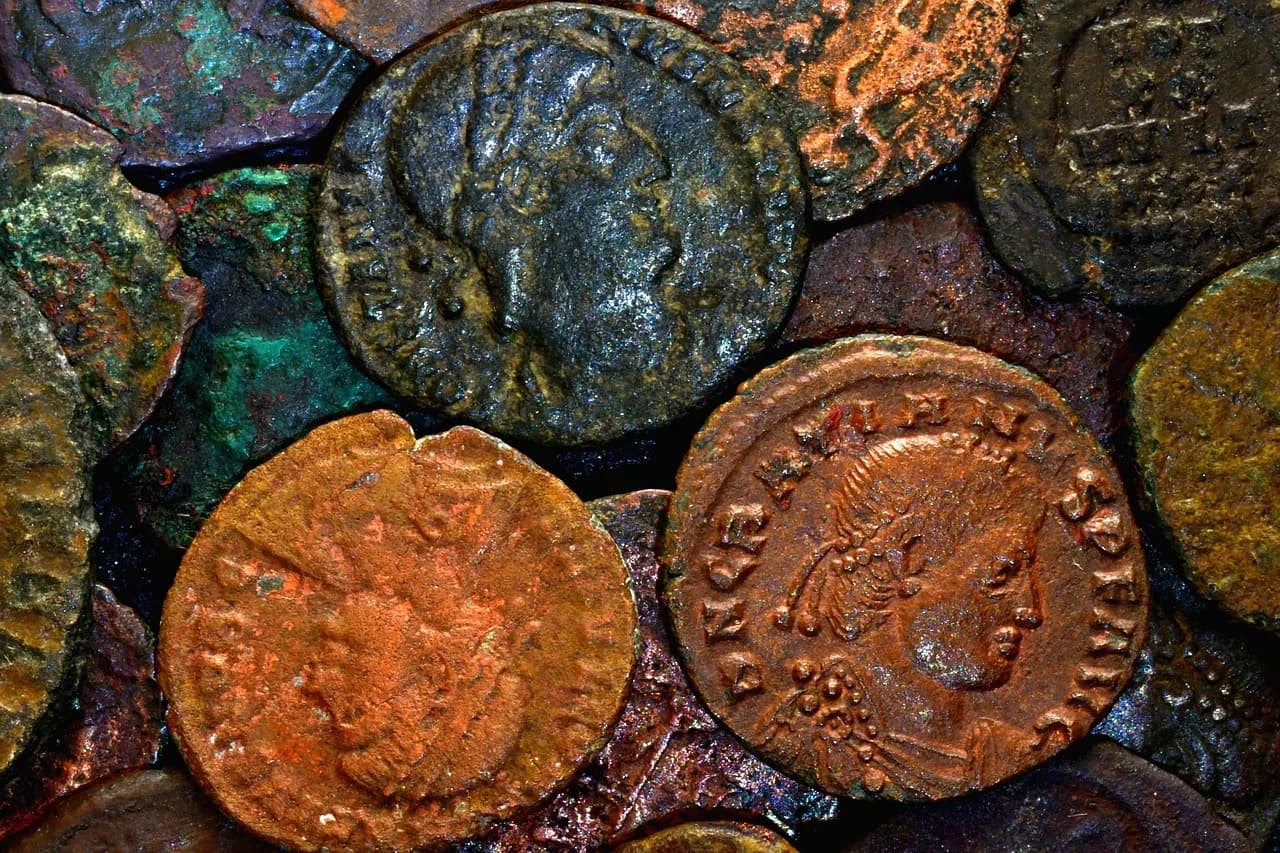
Archaeologists working on the Málaga metro site beneath Calle Hilera have found Roman coins minted as far afield as Egypt and southern France. According to SUR in English, the finds from the vast Roman necropolis (burial ground) suggest the ancient city of Malaca was open to the wider Mediterranean world.
Key facts
- Where: a Roman necropolis uncovered during metro construction beneath Calle Hilera, Málaga.
- What: small bronze coins from the 3rd and 4th centuries AD.
- Mints: Rome, Alexandria (Egypt) and mints in the south of France, such as Lyon.
- Emperors: Licinius, Constantius II and Magnentius appear on some coins.
- Status: fieldwork is continuing and further numismatic material remains to be studied.
What the coins show
SUR in English reported that the researchers, speaking via the Andalusian government's regional ministry of development, which is responsible for the project, described the coins as everyday small change used to buy goods at the market.
The oldest dates from the second half of the 3rd century AD, and the rest from the 4th century. Some show the gate of a military camp, others two soldiers with standards, and some bear the images of the emperors Licinius, Constantius II and Magnentius.
Each coin carries letters indicating where it was made, as the Empire had minting workshops, known as cecas, across its territory. At the Hilera site, coins have been found from Rome, Alexandria and mints in the south of France, including Lyon.
Caution on the conclusions
The researchers stressed that the finds must be interpreted with caution, because there is still numismatic material to be studied. At first glance, however, they indicate that money circulated freely around the Mediterranean in Malaca between the 2nd and 5th centuries AD, and that the city took part in maritime trade, even with distant destinations.
The researchers also noted that all the coins are Roman. Because they came from different mints within the same Empire, they should not be seen as foreign coins from other peoples.
Why coins were buried with the dead
The coins were found alongside bodies because Roman, like Greek, custom was to bury the deceased with a coin. The researchers said that, according to ancient belief, it served to pay Charon, the ferryman who carried souls to the afterlife, although it could also work as an amulet or an offering.
A port city
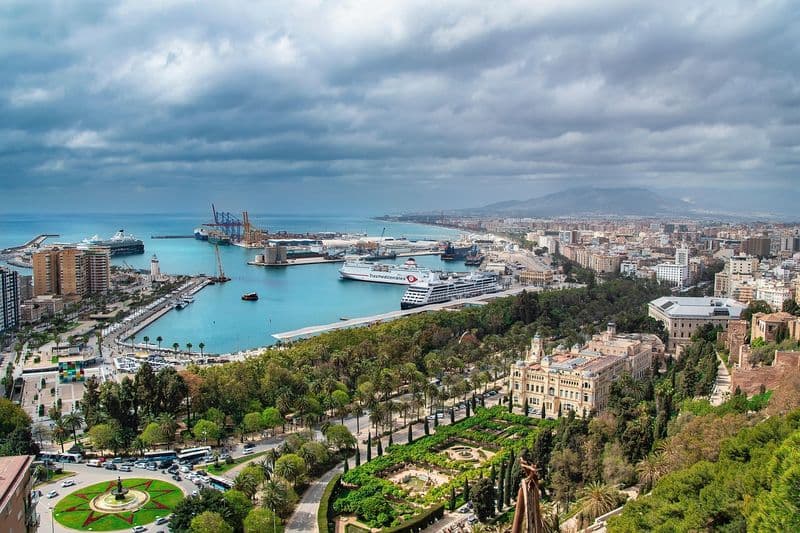
SUR in English said the necropolis is giving a much more detailed picture of society in Malaca, as Roman Málaga was known. The newspaper noted that the city has depended on its harbour since the Phoenicians founded it almost three thousand years ago, with goods, people and ideas arriving from across the Mediterranean.
With archaeologists still on site, further finds from the Calle Hilera necropolis may follow.
Sources
- Coins from Egypt, Italy and France unearthed in Malaga metro's Roman necropolis · SUR in English: Malaga