Málaga economy forecast raised to 3.4%. Province leads Andalucía
Analistas Económicos de Andalucía has lifted its 2026 growth forecast for Málaga province from 2.4% to 3.4%, the highest in Andalucía, according to Diario Sur.
By Costa del Sol Journal Newsroom · · AI-assisted
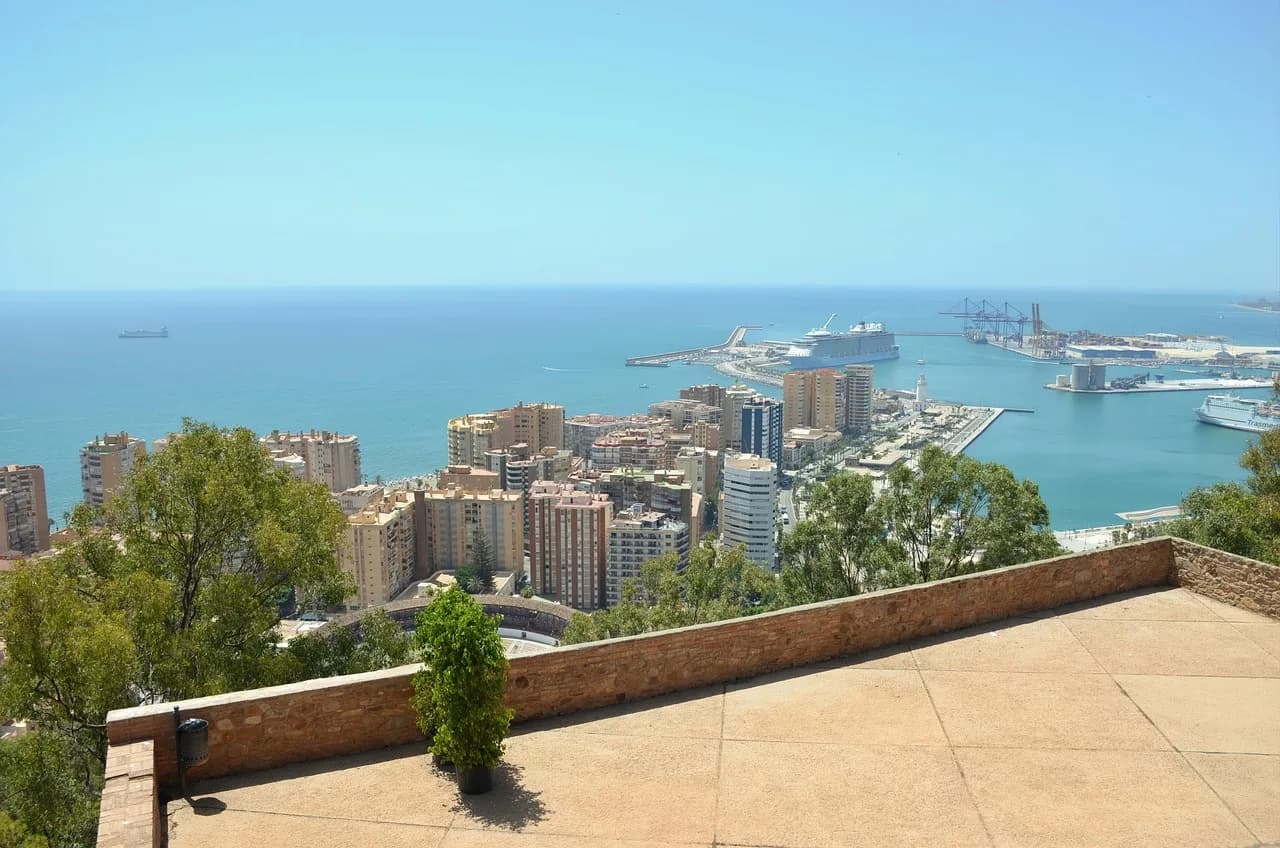
Málaga province is on course to grow by 3.4% this year, according to the latest forecast from Analistas Económicos de Andalucía (AEA), reported by Diario Sur. The figure is a full percentage point above the 2.4% the same body predicted a quarter ago, and puts Málaga ahead of every other Andalusian province.
For residents, property buyers and businesses on the coast, the forecast points to a labour market and tourism sector that are still gaining strength, even as the housing market shows mixed signals.
Key facts
- Forecast: AEA expects Málaga's GDP to grow 3.4% in 2026, up from 2.4% in its previous report.
- Andalucía: the regional average is forecast at 2.9%, revised up from 2%. No other province is expected to reach 3%.
- Last year: Málaga grew 3.7% in 2025, according to the figures cited by Diario Sur.
- Second quarter: Málaga's GDP rose 3.8% year on year, seven tenths more than Andalucía as a whole.
- Jobs: Social Security registrations rose 3.8% between January and September, to 764,900 contributors.
How Málaga compares
According to AEA, which is the research arm of the Unicaja Group, the provinces behind Málaga are Cádiz (2.9%), Almería and Sevilla (2.8% each), Granada (2.7%), Huelva (2.5%), Jaén (2.3%) and Córdoba (2.2%).
Felisa Becerra, AEA's head of studies, said the upgrade is not unique to Málaga and has happened nationally and internationally. She said global growth "is showing significant resilience" to geopolitical tensions that had led forecasters to temper expectations earlier in the year. In Diario Sur's account, she pointed to oil reserves, higher output outside the Gulf countries, lower demand and government support measures as factors that softened the impact.
Becerra also said the province "could close 2026 with growth above 3%, the highest in the region", citing employment, domestic demand, exports and tourism as the main drivers.
Jobs, exports and tourism
The labour market is one of the pillars of the forecast. Registrations rose 3.8% year on year to September, well above the regional (2.6%) and national (2.7%) averages. Diario Sur said the rise was driven mainly by foreign workers, who now make up 18.9% of the provincial total following the extraordinary migrant regularisation process.
The province has 60,382 companies registered with Social Security (up 2.4%) and accounted for more than a third of the commercial companies created in Andalucía up to July (4,895), with one of the lowest dissolution ratios (19.3%).
Goods exports grew 9.6% year on year in the first half, against 5.1% for Andalucía and 2% for Spain. Becerra said sales of minerals, perfumery and fuels offset weaker agri-food exports, which were hit by falling prices.
In tourism, hotels recorded 15.85 million overnight stays between January and August, up 2.8% and more than 38% of the Andalusian total. Hotel occupancy of 64.7% was the highest in the region. Stays by Spanish guests rose 2.5% and by foreign guests 2.9%, while overnight stays in tourist apartments grew by more than 20%. The airport handled over 13.2 million passengers up to June, a rise of 6.7%.
Housing: fewer sales, higher prices
Diario Sur noted a contrast in housing. Sales fell 6% between January and July, to 20,483 transactions (a quarter of the Andalusian total), held back by second-hand homes. Prices kept rising, however: the appraised value of free-market housing rose 13.8% in the second quarter to €3,083.5 per square metre, a cumulative 68% rise since the end of 2019, the largest in Spain according to the report.
Outlook for 2027
For 2027, AEA says Andalusian GDP growth could ease to 2.1% (2% for Spain). It expects consumption and investment to moderate amid higher inflation and interest rates, and names geopolitical and trade tensions as the main risk. Employment is forecast to grow 2.2% and unemployment to stand at 13.9%. Provincial forecasts for 2027 are not yet available.
Málaga Hoy also reported the 3.4% figure, saying Málaga will lead Andalusian economic growth in 2026.