Museo de Málaga dives into 'Sombra y cloro'. A swimming-pool view of modernity
The Museo de Málaga's new exhibition uses the swimming pool and the palm tree to trace 50 years of Andalusian contemporary art, with 24 artists across three generations, Diario Sur reported.
By Costa del Sol Journal Newsroom · · AI-assisted
The Museo de Málaga has opened Sombra y cloro, an exhibition that uses the swimming pool and the palm tree to tell the story of modernity in Andalusia, according to Diario Sur. It brings together 24 Andalusian artists from three generations and is of interest to anyone curious about how the Costa del Sol's tourism boom shaped the region's image.
Key facts
- Title: Sombra y cloro, subtitled Sueños, deseos y ruinas de un verano infinito. De la Nueva Figuración a hoy.
- Venue: the exhibition halls of the Aduana, home of the Museo de Málaga.
- Artists: 24, from Luis Gordillo, Pérez Villalta and Chema Cobo of the 1970s Nueva Figuración (New Figuration) movement to the latest generation.
- New work: eight artists contribute previously unseen pieces.
- Organiser: the Consejería de Cultura (regional culture department) of the Junta de Andalucía, through the Instituto Andaluz de Artes Plásticas y Visuales.
Pool and palm as symbols
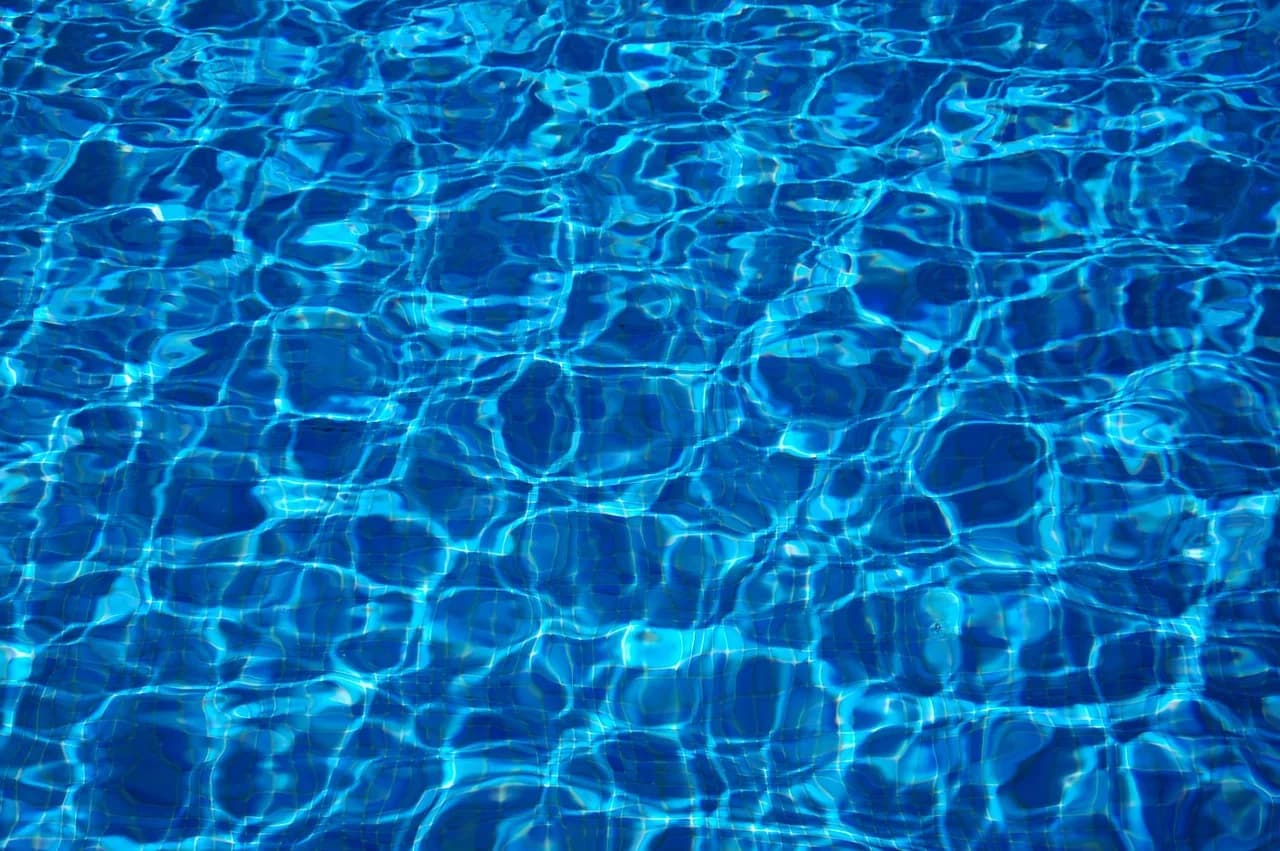
Diario Sur says the show takes its cue from the shimmering pools of David Hockney's California Dreamin' series. It treats the pool as a portrait of an era and a chronicle of social and artistic change over the last 50 years.
The pool and the palm tree, the second symbol that gives the exhibition its title, stand for progress and social success. According to the newspaper, the show also presents them as signs of a model showing exhaustion in an age of sustainability and climate change.
Diario Sur notes that the Costa del Sol anticipated this emblem of modernity through its leadership in Spanish tourism. It traces the path from the traditional alberca (farm water tank) that became a summer plunge pool, to public pools and finally private ones.
Curator's view
Curator Fernando Sáez Prada, quoted by Diario Sur, described the show as being about two images in our visual and emotional memory. In his words, the palm tree and the pool speak of "Andalucía, del Mediterráneo, y de nuestra relación con el paisaje". He also said they invite reflection on "la fragilidad de los ecosistemas, sobre la explotación del territorio, la especulación". He summed up the spirit of the show as "un verano que parecía no tener fin" (a summer that seemed to have no end).
Layout and opening
The exhibition opens with Luis Gordillo, who is over 90. His new work Células de verano (2026) serves as the show's cover image and poster. Diario Sur says it contrasts with a small 1972 drawing of a swimmer by the same artist.
After this welcome, the route does not follow chronological order. Instead, it sets the artists in dialogue, turning the Aduana's rooms into what the newspaper calls a large Olympic pool of Andalusian creation.
Lorena Codes, director of the Instituto Andaluz de las Artes Plásticas, said the show also has the character of an anthology of contemporary creation "de la democracia". According to Diario Sur, she regretted that many artists could not attend the opening because of rail problems following the Urda accident.
The museum's new director, Dora Llamas, who took up her post the previous Monday, attended the presentation alongside the Junta's culture delegate, Carlos García.
Worth knowing
Diario Sur's report does not cover opening hours or how long the show runs. Visitors should check the Museo de Málaga's official channels before planning a trip.