Málaga AVE cut could cost province €185.6m, tourism body warns, as rail strikes loom
Turismo Costa del Sol estimates the interruption of high-speed rail between Madrid and Málaga could remove €185.6m from the provincial economy and nearly 2,000 jobs. Rail unions have also called strikes for November.
By Costa del Sol Journal Newsroom · · AI-assisted
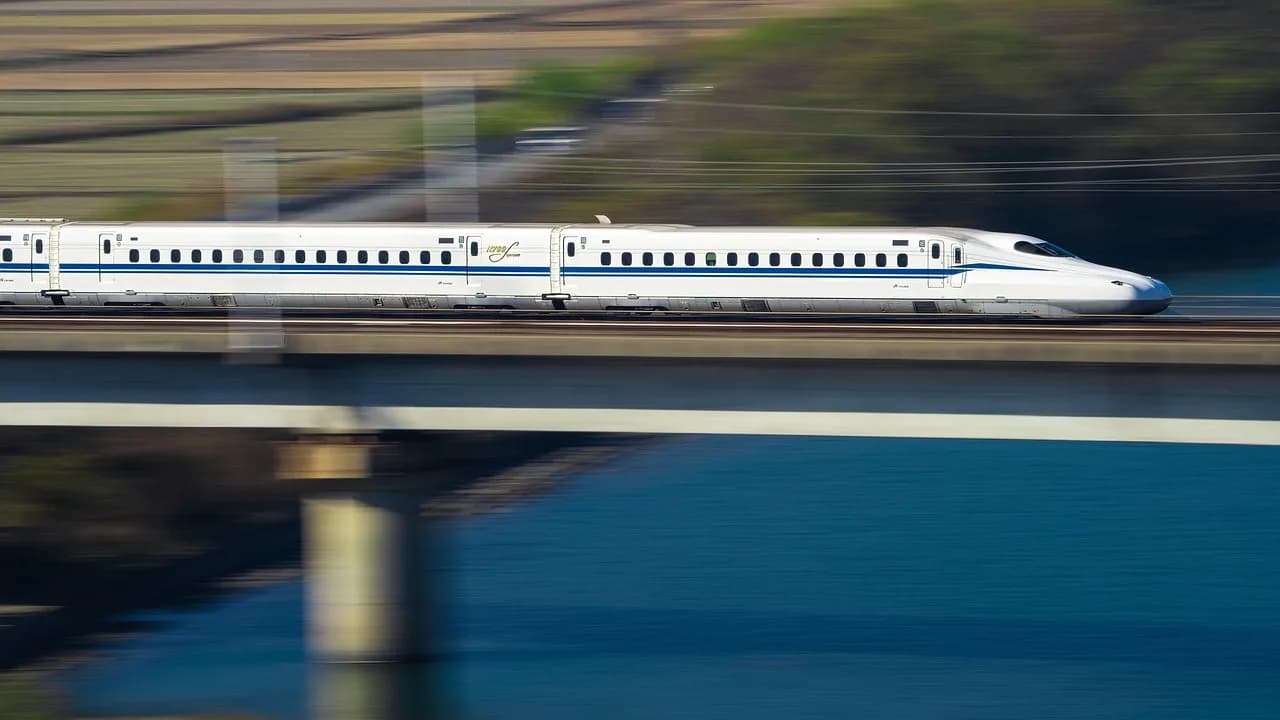
The suspension of high-speed rail services between Madrid and Málaga could remove around €185.6 million from the province's tourism economy and put 1,974 jobs at risk. That is the estimate in a preliminary report from Turismo y Planificación Costa del Sol, the provincial tourism body, published on its website and reported by Diario Sur.
The interruption follows the collision near Urda on 28 October. Euro Weekly News reported that a Renfe AVE train struck an Iryo service that had stopped on the track, killing 69 people.
How the figure was calculated
According to Diario Sur, the report assumes the line stays out of normal service for 46 days, from 28 October to 13 December. The end date was chosen because Renfe had closed ticket sales up to then. The tourism body stresses that this is a working assumption and that no definitive reopening date exists.
The report estimates that the closure removes about 4,650 train seats a day between Madrid and Málaga, or 213,900 over the period. Airlines have added capacity on the route. Average daily seats rose from 1,253 in early October to a planned 2,110 in November, giving roughly 39,435 extra seats in total. That still leaves a net loss of 174,465 seats.
The report assumes 20 per cent of those travellers are Málaga province residents, about 34,893 people. It treats the other 80 per cent, 139,572 people, as tourists who might not come. Multiplying that number by an average spend of €1,090.16 per visitor gives about €152.2 million in lost direct spending. Adding indirect and induced effects on the wider economy raises the total to €185.6 million.
The document also highlights how much the route depends on rail. It says about 86 per cent of trips between Madrid and Málaga are made by high-speed train and 14 per cent by air. The line carried around 2.5 million passengers in 2025. The interruption affects all operators on the corridor: AVE, Avlo, Iryo and Ouigo.
Caveats
Turismo Costa del Sol acknowledges the report was produced in four hours and is purely an estimate. It says a study lasting several months would be needed for a more precise assessment. According to Diario Sur, the calculation assumes the extra flights are completely full. It also cannot measure how many people will switch to coach, private car or hire car instead. The 139,572 figure is therefore a modelled projection, not a count of cancelled trips.
This is the second major disruption to the line this year. Earlier in 2026, the Adamuz accident and a later landslide at Álora interrupted the direct high-speed link for months. At that time, Turismo Costa del Sol and the Diputación Provincial (provincial council) estimated that 65,848 fewer tourists would arrive between 19 January and 1 March, with a total impact of €109 million.
Strikes across the rail network
Rail passengers also face a series of strikes, Euro Weekly News reported:
- 10 November: the train drivers' union Semaf has called a full strike at Renfe.
- 12 November: Semaf has called partial stoppages.
- 16 November: Adif unions plan a demonstration outside the Congress of Deputies in Madrid. Adif is the state rail infrastructure manager.
- 17 November: a 24-hour strike agreed by Adif's works council. CCOO has extended it to Renfe, Iryo and Ouigo, and Semaf has urged drivers at eight companies to join.
- 19 November: the union SCF has called a further 24-hour Adif stoppage.
The unions are demanding better safety procedures, staffing and communication across the network. Minimum-service arrangements had not been published at the time of Euro Weekly News' report, and the scale of disruption is unclear.
Anyone planning rail travel on those dates should check with Renfe, Iryo or Ouigo before setting off.